
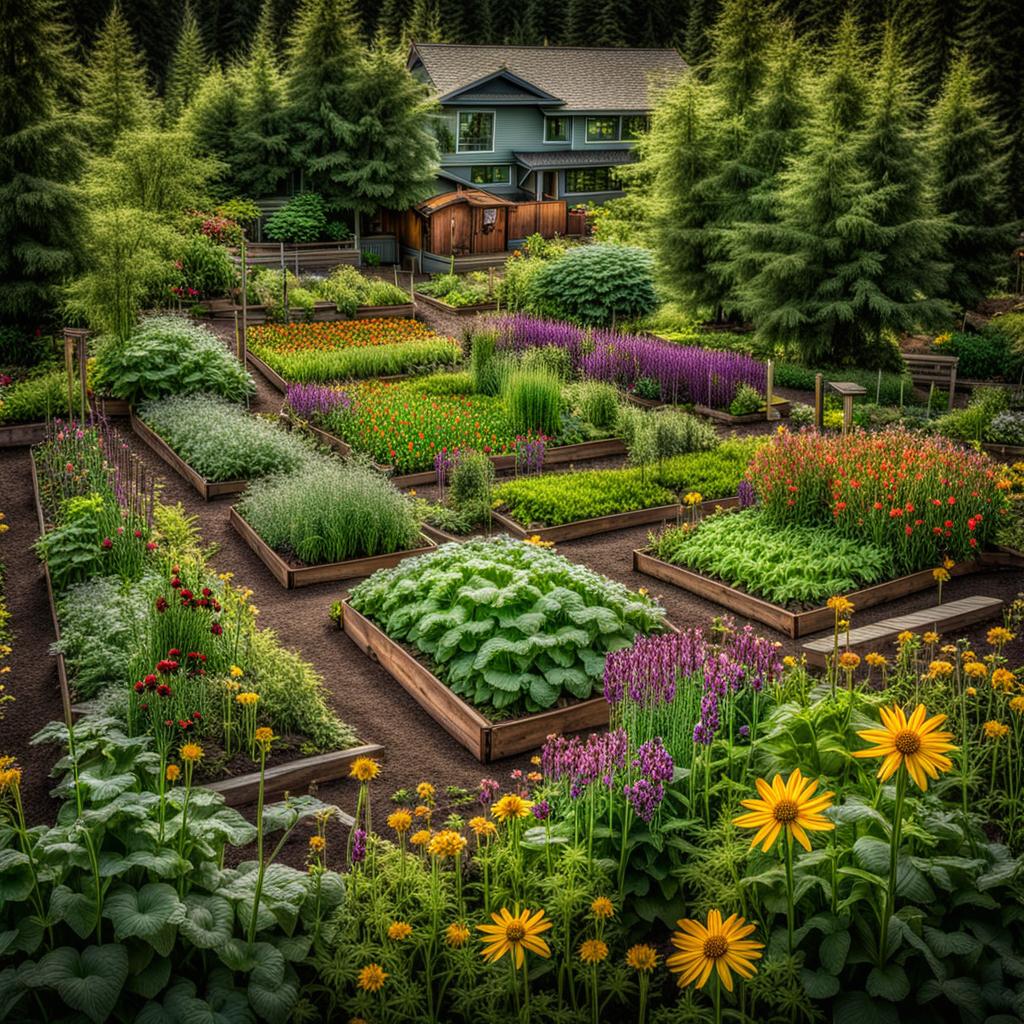
Discover essential tips to eliminate anxiety and maximize your garden’s potential
The best advice we can pass on to new gardeners and those simply anxious to get started for the year is to exercise a little bit of patience and utilize this time to create a space for any starters you bring home. If from an outdoor center, some protection outside like in a greenhouse or a covered porch is sufficient. If the plant was indoors, work on hardening off before leaving it outside for a whole night. Utilize this time that Western Washington weather is figuring out what it wants to do, to also figure out what you want to do for the season.
Even if you didn’t bust out the plant catalogs and a glass of vino back in February, you still have time to complete one of the most critical parts of a successful growing season; planning. This is not to say that you can’t just go for it and start sticking stuff in the ground and buying starts because they look cute and begged to come home with you, many do– plants that is; it’s hard saying no them, like trying to say no to your cat or dog when they roll over for a belly rub after annihilating the very last toilet paper roll in the house. Doing mishash planting may not give you the desired result in the health of the garden or a bountiful harvest. Just like your pet, adorable, but doesn’t take away the fact that there is no toilet paper in the house.
The anticipation of the gardening season and all of those beautiful fruits, veggies, and flowers can be just as anxiety producing as it is zen enabling. Here are just a handful of some tried and true tips to eliminate the anxiety and bring on the zen for your 2024 season.
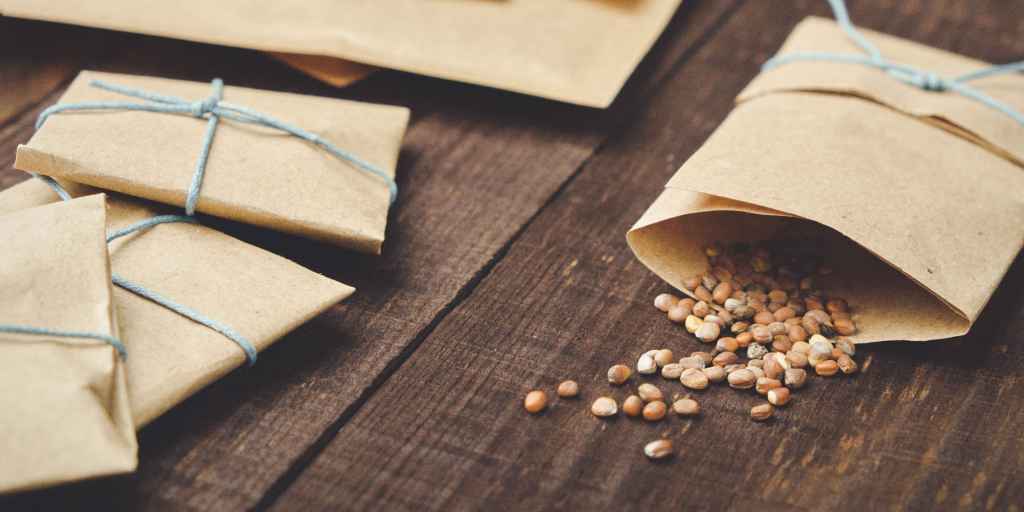
- Take an inventory- What do you like to eat? How much do you like to eat it? How often do you want to eat it?
Yes, you may like tomatoes….but do you REALLY like tomatoes? And, what kind of flavor profile do you want in that tomato? Sweet? Tart? Citrusy with a tomato-y kickback? Do you want to try your hand at making tomato sauce for your famous lasagna, or are you more interested in a juicy slice of tomato on your go-to sammy?
While this example is talking about tomatoes, these are still the types of questions you should be asking about everything you are considering growing over the season.
In the case of tomatoes, there are over well over 10,000 varieties and each has a different flavor profile and use (seriously, that’s not a typo). Additionally, some tomato plants will grow until the frost takes it out (indeterminate) potentially taking up premium real estate in the garden and others will give you one or two flushes all at once before they tap out (determinante). Grocery stores usually only have a handful of varieties of any vegetable or fruit, so your favorite internet browser and fellow gardeners are a great resource for learning about different varieties of any plant and how they grow.
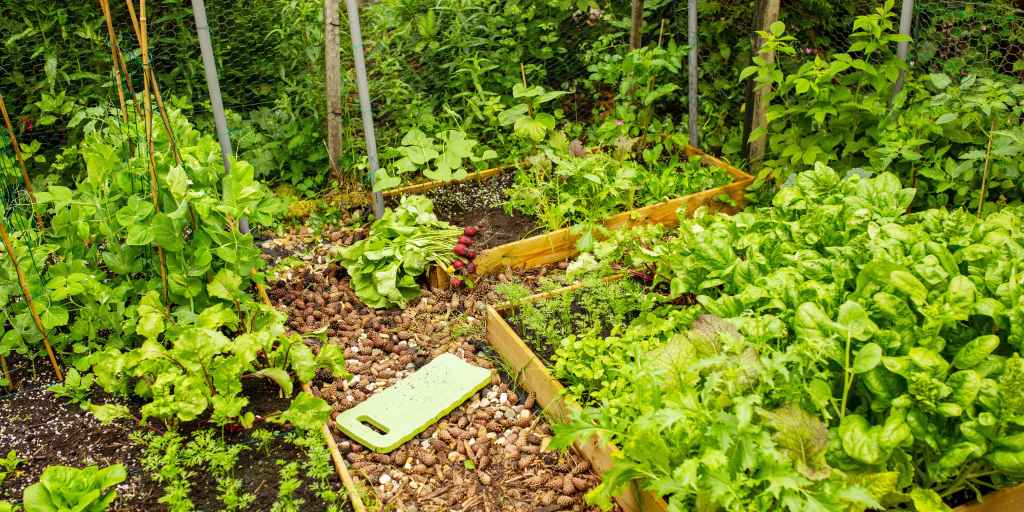
- Space- How much space do you have to garden? How much time do you have to commit to the care of your garden?
There’s a huge difference between growing plants in the windowsill in an apartment, versus a patio/deck or a raised bed. It’s important to have an understanding of the space that you are dealing with because this alone determines how much you are able to grow at any time over the season, even using methods like companion planting and square-foot gardening.
“The quantity of vegetables that can be grown in 40 square feet – a bed 4 feet wide by 10 feet long – will provide salads, greens and tomatoes for an entire season. Five beds of this size can yield 300 pounds of vegetables and soft fruits in a 4 – 6 month growing season, which is about what the average person in the U.S. consumes annually”
– UMASS EXTENSION CENTER FOR AGRICULTURE
You also want to pay attention to the time investment too! This is something that frequently creeps up on new and ambitious gardeners. Depending on what you are growing, the composition of your soil, and location of your garden, you may need to water several times a day during the hottest part of the season in order to not lose your plants. Then there are tasks like training vining plants on a trellis, deadheading flowers and pruning, or even treating disease and pests. All of these things take time and if not done in a timely fashion, can create a host of problems with your garden and the harvest later on. Often, these end up impacting your garden neighbor and sometimes the whole garden at large when neglected!
Like a good insurance company is there for you, be there for your plot and maintain it so you don’t need to submit a claim in the form of pesticides or herbicides, even organic ones. It’s not a guarantee that you won’t have to deal with pests or disease, but regular garden maintenance cuts down on the chances that you will need to.

- How many people are you feeding? Is this supplemental for you or are you trying to make your produce grocery bill the way of the dodo bird for the whole family?
Having an understanding of how many people you will be feeding can help you effectively plan out your season and reduce the issue of having too much or too little produce. Some produce can be canned or pickled, frozen, or even donated to the food bank, but even with this, all fresh produce has a finite shelf life and immediately begins to deteriorate the moment it is harvested. You’ll notice that things like leafy greens and cucumbers last longer when grown yourself, for example; they taste better too, but even these will eventually decompose. Get the entire family involved and grow the things they will eat. For example, if your family loves to eat tomatoes and you want to can some; grow several different types. If they hate tomatoes, don’t grow any just because they are cool to watch, no matter how tempting. Or if you like to eat a fresh salad every day, but you’re only feeding yourself, utilize a growing method like succession sowing in your raised bed, and choose a variety that is personal sized like Little Gem or Tom Thumb lettuce varieties.
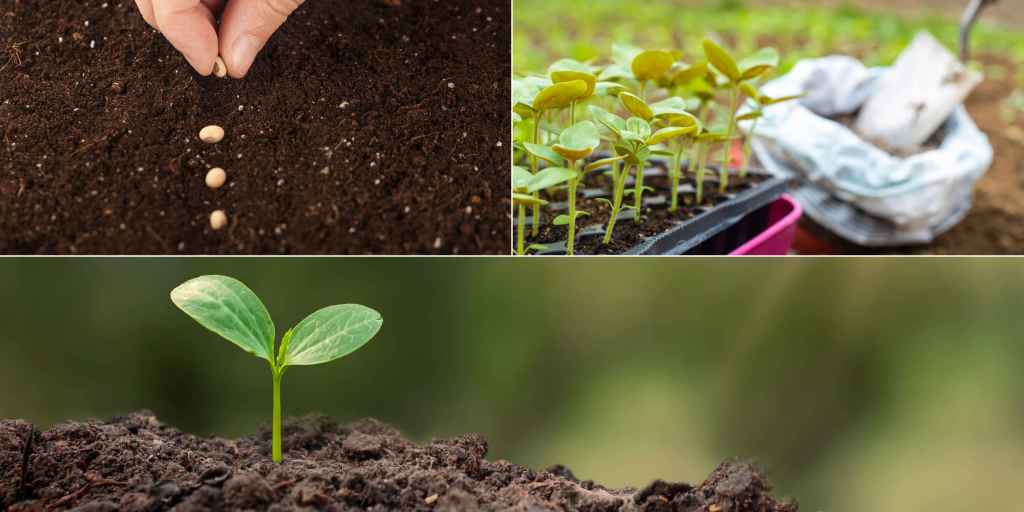
- What seeds, starts, and volunteers do you already have? Which seeds versus starts do you need?
Starter plants are totes adorbs, but seed packets hold the future of what could be and that is why purchasing seed packets is probably more difficult to NOT do than not purchasing plants. It’s kind of easy to avoid the garden center with the fresh plant babies poking out of the soil, but stores get really creative about the placement of the seed packets and at $2.50- $3 for most packs these days, it doesn’t seem like much until you suddenly have 50 of them and the growing space of a 15 gallon rubbermaid storage container. Then of course, what decided to come back from last season…tomatoes anyone?
Being strategic about what plants you grow from seed versus starters can save a lot of money in the long run, but also make it much easier to take inventory of what you already have at the beginning of the season. If, like some people, you have a generous amount of seeds that need to be organized, I would suggest getting a photo case or even a large (or a few) recipe boxes that are air and water tight. Although the best practice is to refrigerate or freeze some types of seeds, for the average community and home gardener, this isn’t really necessary; a cool, dark place is sufficient. However, it’s worth noting that if you plan to practice seed saving over 2024, it’s a good idea to do some research about the best practices for preserving seeds from the particular plant you’ve got your eye on.
The last thing I will add is that gardening shouldn’t be a slog. Chances are, if it is feeling that way to you, you may have taken on too much for the year and need to cut back on the things you are growing. It’s also perfectly fine and even healthy to let your plot and pots go fallow for a season. Personally, as hard as it is, I am limiting myself to 1 tomato plant because it turns out that I don’t actually like them that much; even though they are super cool and rewarding to watch grow because growth happens quickly and satisfies my need to see something happening in the garden.
Yes, I was calling myself out earlier with tip #1… and #4. Hey, you can still know the way to the castle and get carried away with side quests *shrugs*
As we are ramping up in the University Place Community Garden for the 2024 season, know that you are surrounded by a collective community that is willing to lend a helping hand, a growing tip or hack, or a taste test (please ask the plot owner and don’t help yourself without permission). Regardless of where your garden knowledge comes from or what level of education you have in regards to growing plants; we’re ready to nerd out and learn alongside you and brain dump our knowledge too.
Here’s to another amazing growing season keeping us on our toes and celebrating the bounty of self-sufficiency and community.
If you’re a member of UPCG, share with the community in Slack what you’re growing this year and what plot you’re in!
 University Place Community Garden